AI vs. manual vehicle inspection
Manual inspection is good at what it was built for. AI is now mature enough to replace it for most use cases. Here is the honest comparison, including where a human inspector still wins.
The short answer
For general-purpose passenger and light commercial vehicles, AI is faster, cheaper, and more consistent. A delivered AI report takes minutes against 30–45 minutes of inspector time plus dispatch - at a fraction of the $50–$200 a manual inspection typically costs. Manual still wins in four places, and most operations keep inspectors for that long tail.
What manual inspection actually is
Six models, and they behave differently enough that comparing AI against "manual" as one thing is misleading.
A third-party inspector travels to the vehicle, takes notes and photos, and fills in a form. The most thorough model and the slowest.
What AI vehicle inspection actually is
Photographs go in, a structured condition record comes out.
- Input
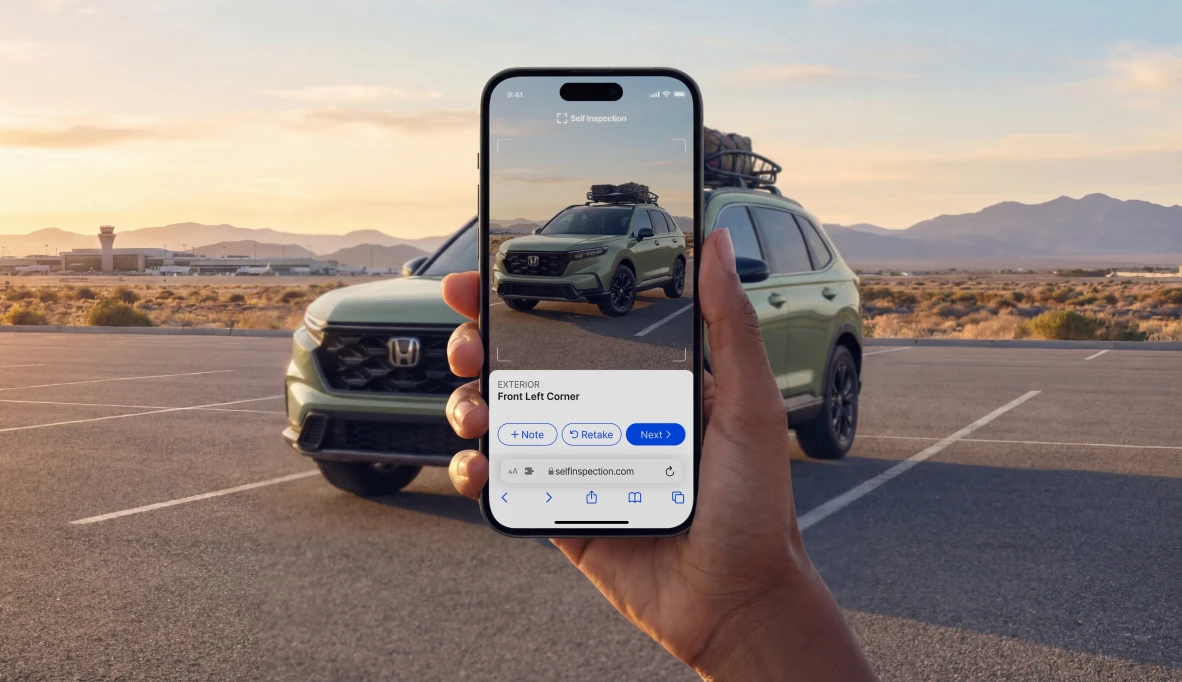
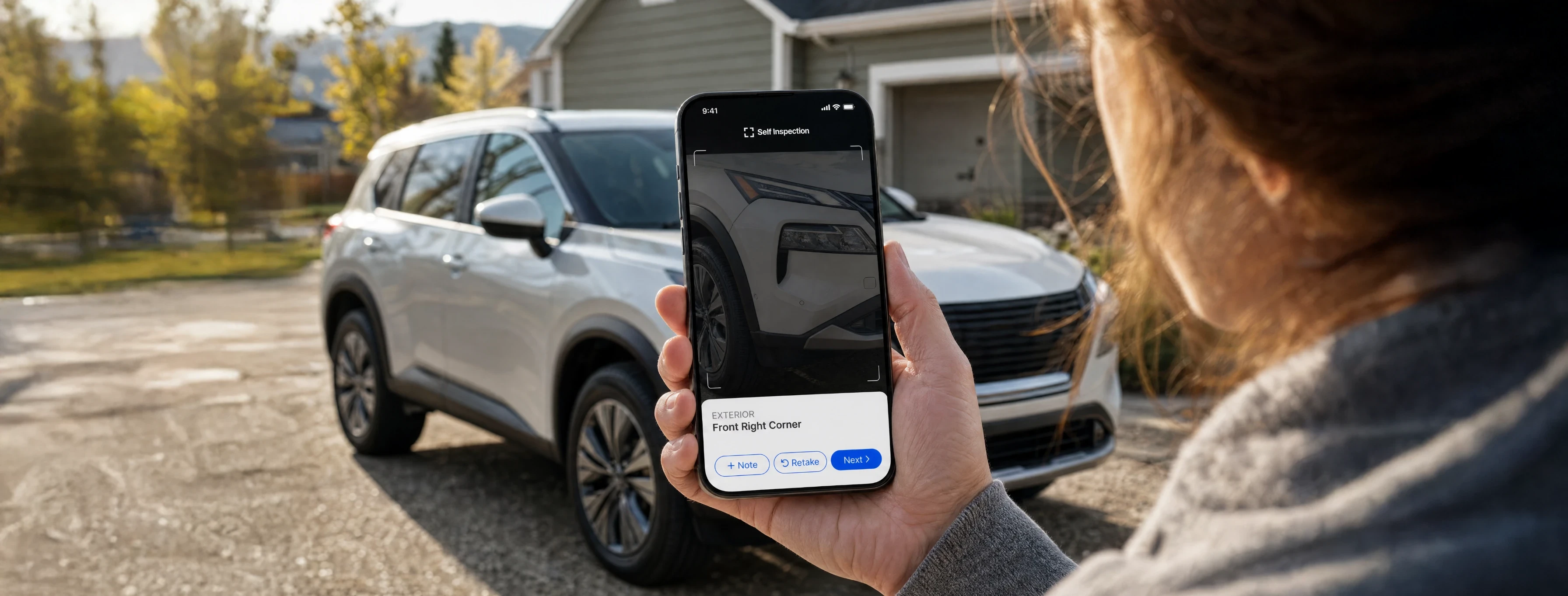
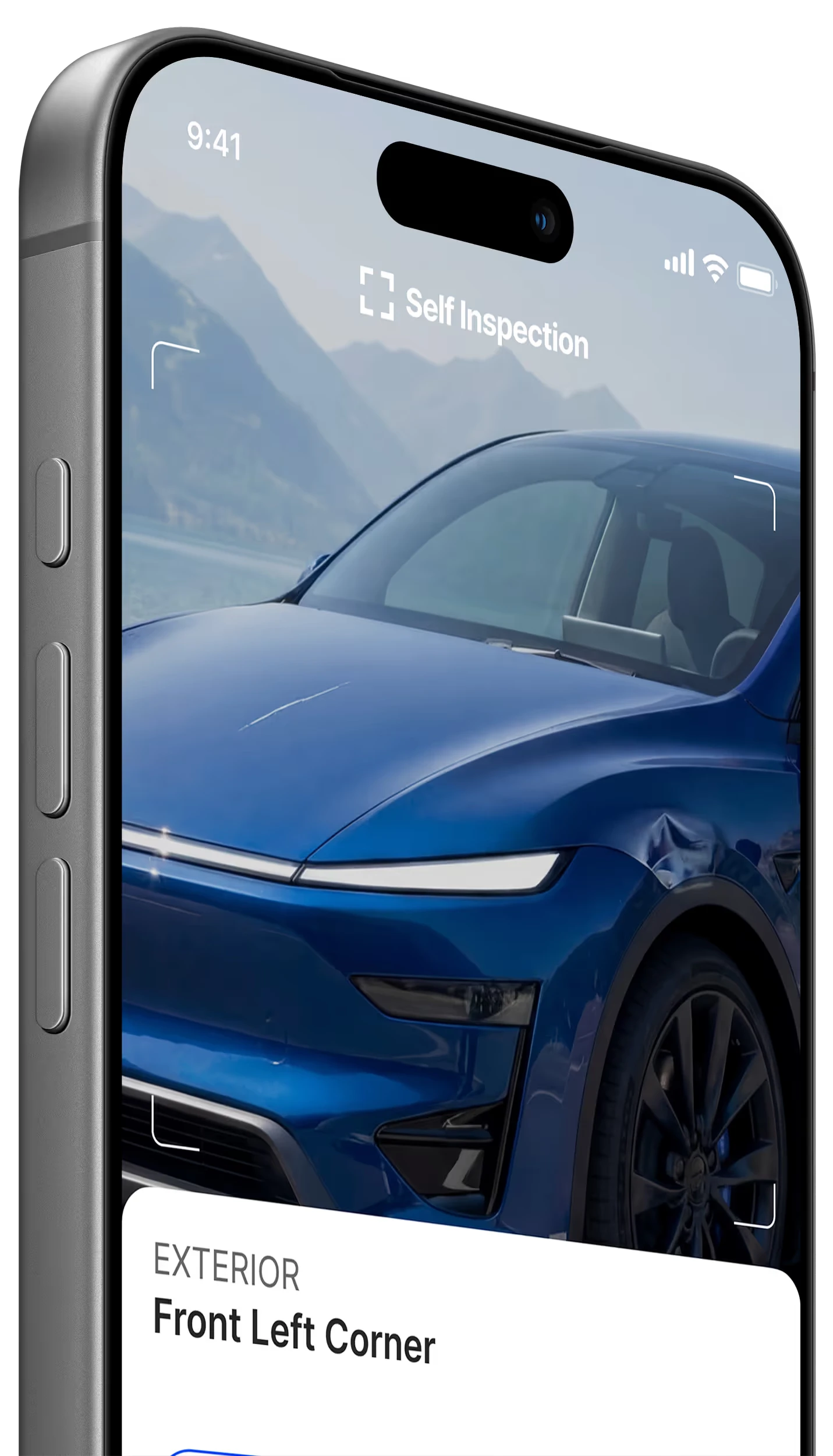
- Guided photo capture on a phone, an app, or a hardware lane.
- Detection
- 6,000+ damage type, location, and severity combinations on Self Inspection.
- Scoring
- The same condition scale applied to every vehicle, every time.
- Human layer
- Expert review of edge cases and disputed findings before release.
- Output
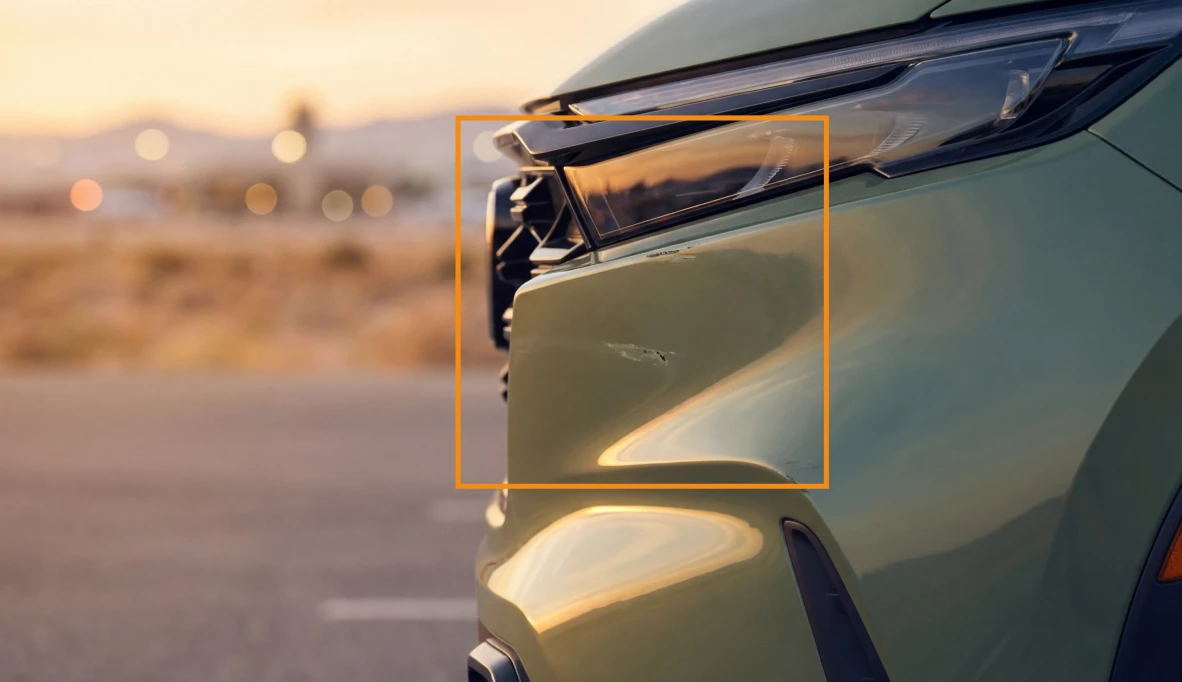
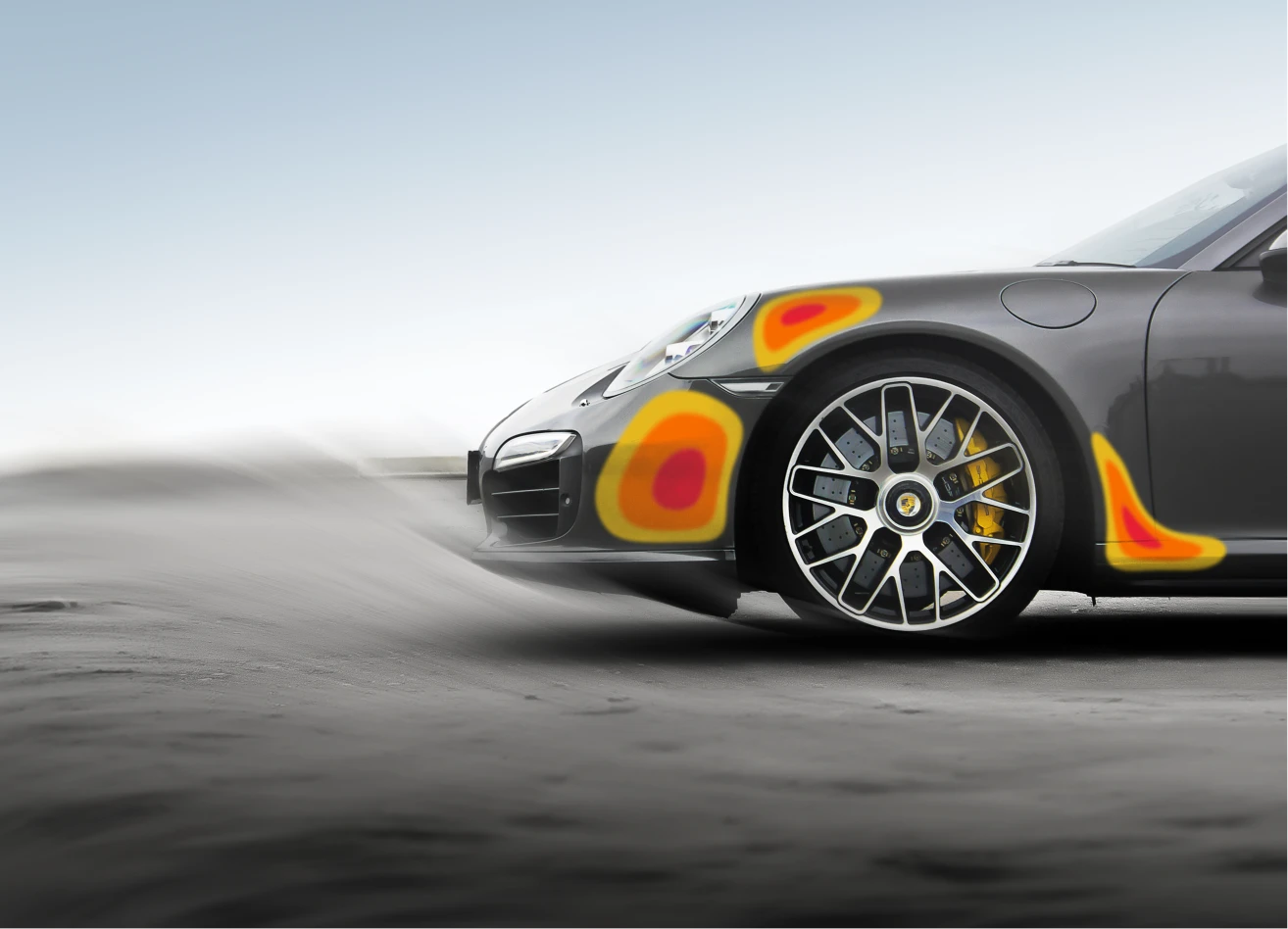
- Timestamped photos, a structured damage map, a condition score, and a repair estimate.
Capture takes about 90 seconds. The layer that matters most in production is the human one: uncertain findings go to a certified reviewer before release, which is how Self Inspection reaches 99% delivered accuracy rather than a model score. See the accuracy methodology.
Side by side, on the dimensions that matter
Nine dimensions that show up in every business case we have seen built on this decision.
Model your own numbers on the ROI calculator.
When manual inspection still makes sense
Four cases where dispatching a human is the correct answer, and no amount of model accuracy changes that.
Under about 10 inspections a month, the process change costs more than switching saves. Dispatch a human.
When AI inspection is the obvious answer
Five conditions. If two or more describe your operation, the business case usually builds itself.

Above roughly 100 inspections a month, AI scales without adding headcount. Manual cost climbs in a straight line; AI cost does not.
When a lessee, renter, or dealer does the inspection, dispatch is too slow and too expensive. AI puts the inspection in the customer's own hand.
Past about 10 locations, inspector dispatch becomes a scheduling problem rather than an inspection one. AI is location-agnostic by construction.
Where per-inspection cost is a real line item rather than a rounding error, AI drops it by roughly an order of magnitude.
Lease-end charges, rental damage charges, marketplace transactions. A structured photo and damage-score record reduces how many charges get contested.
How to evaluate AI against your current process
Five steps. Run it against your own history rather than against a vendor demo.
Take 50–100 historical manual inspections where you know what happened next - what was charged, disputed, or missed.
If the pilot shows positive ROI, most operations cut over within 90–120 days. Compare specific vendors on Self Inspection vs. Ravin AI and Self Inspection vs. UVeye, or go back to all comparisons.
Test it against your own last hundred inspections
We run retrospective comparisons at no charge during evaluation. Bring the manual reports and we will tell you what the model would have found.
FAQ
On the most common damage classes - dents, scratches, paint defects, glass cracks, tire wear - AI is competitive with or better than the average inspector, and it scores the same way every time. With certified expert review on every inspection, Self Inspection delivers 99% accuracy; expert review also catches the specialty and first-of-kind cases a model alone might miss.
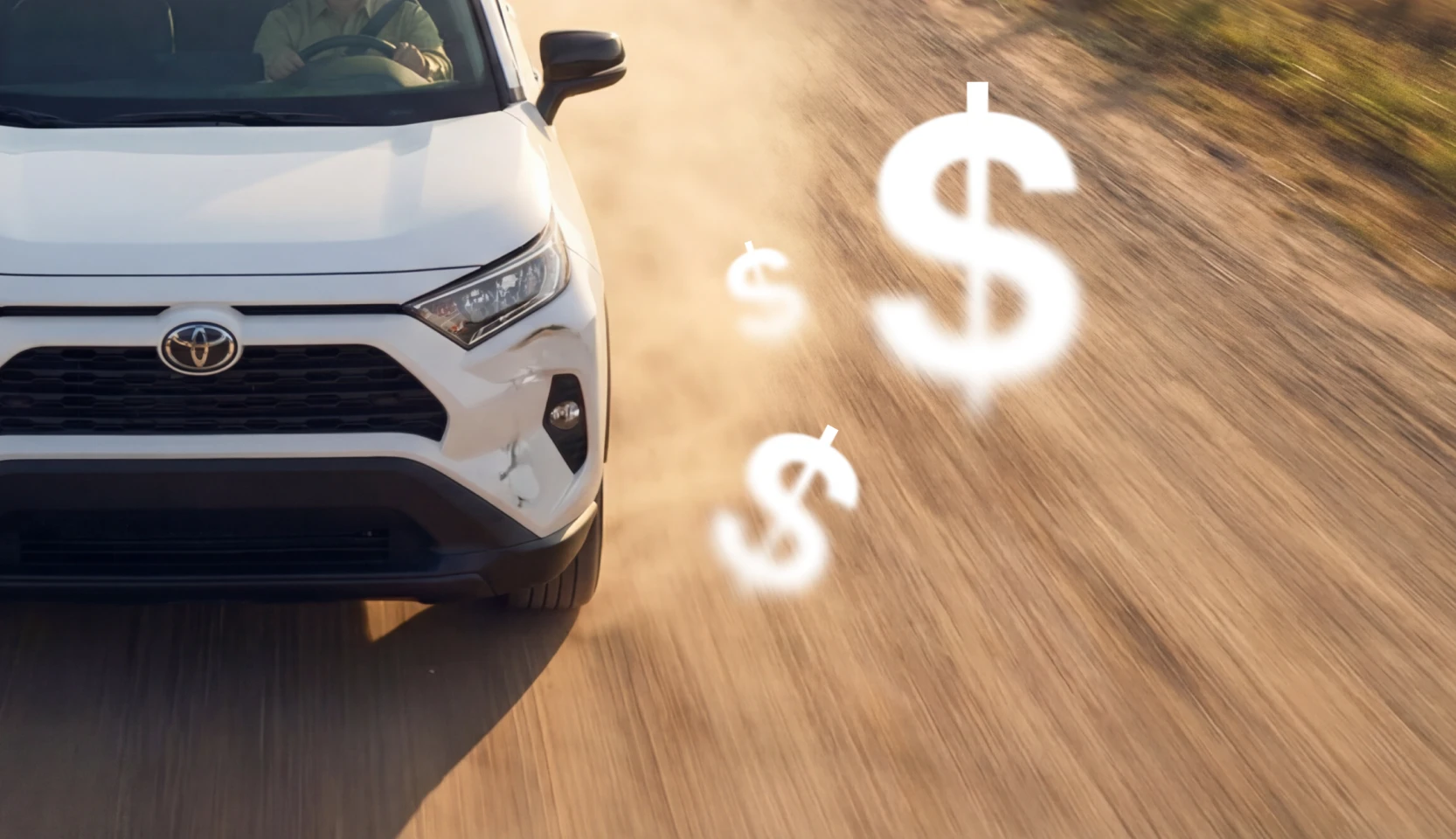
Manual inspector dispatch typically runs $50 to $200 per inspection. AI inspection software is typically a single-digit dollar amount per inspection at enterprise volume. That gap is the largest single driver of adoption in volume operations.
Guided capture takes about 90 seconds, and the delivered report arrives in minutes. A dispatched inspector spends 30–45 minutes at the vehicle, plus lead time that is often hours or days.
For most general-purpose inspections, AI plus expert review matches or beats a human inspector. Specialty vehicles, regulated sign-offs, and genuinely novel damage still benefit from a human. Most operations move the bulk to AI and keep inspectors for the long tail.
In most jurisdictions, yes. The report is timestamped, location-tagged, and photo-backed with a structured damage map - typically a stronger record than a handwritten form. For regulated inspections that require a licensed sign-off, AI supports that step rather than replacing it.
Uncertain findings are routed to an expert reviewer rather than returned as a confident wrong call. Every inspection is photo-backed, so a challenged finding can be re-reviewed from the original images.
Run a 30–60 day parallel pilot, measure accuracy, time, and cost against your baseline, integrate with your existing systems, then cut over by location or use case - keeping manual inspection for the specialty long tail. Most operations complete the move within 90–120 days.
Below about 100 inspections a month, the per-inspection saving is real but the change takes longer to recoup. Under about 10 a month, manual is often the practical answer. The strongest cases are 500+ inspections a month across multiple locations or customer-facing workflows.