Self Inspection vs UVeye
AI vehicle inspections from any smartphone — no app, expert-validated, live in days. No scanning lane, no hardware, no capex.

What's the difference between Self Inspection and UVeye?
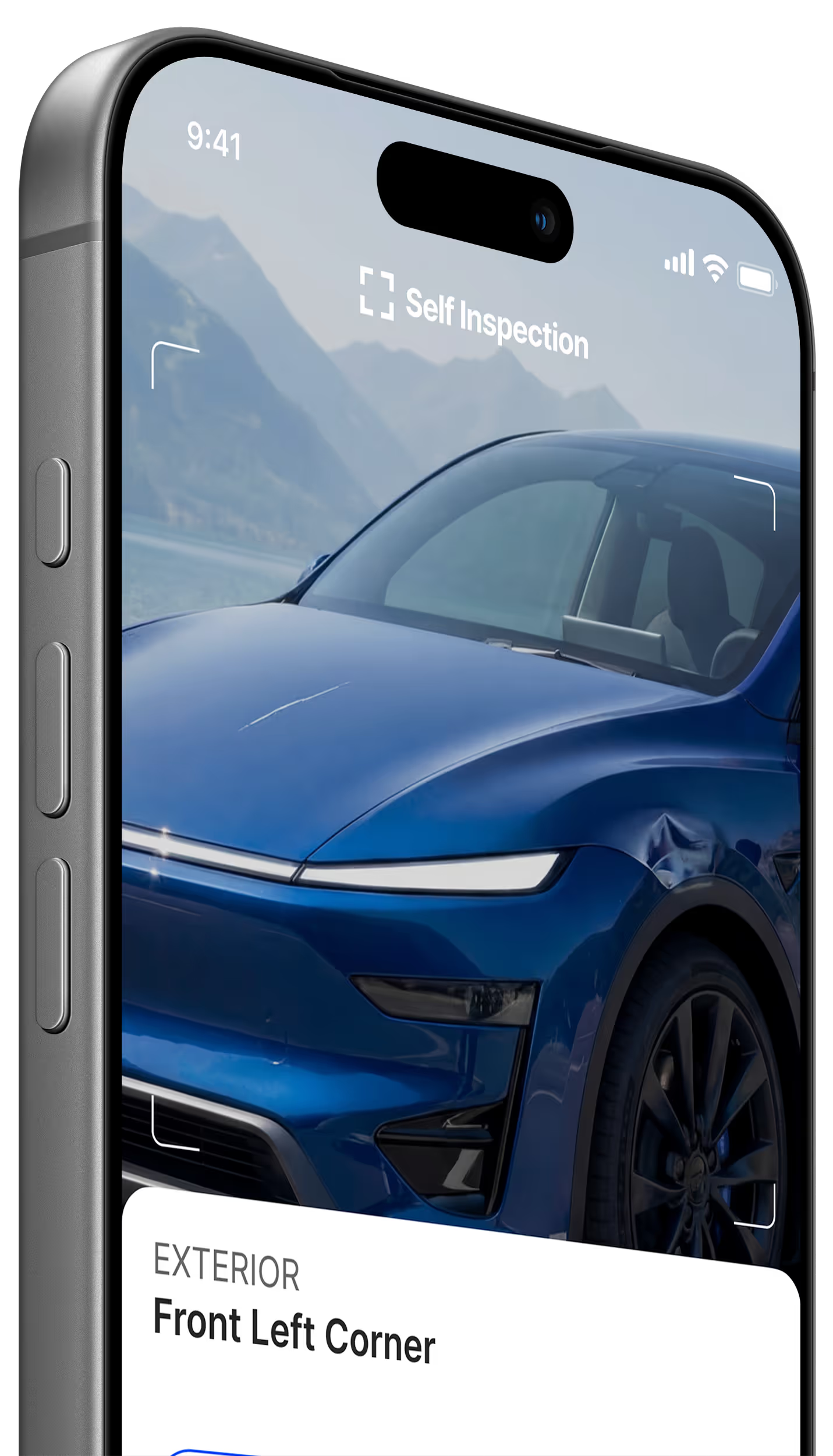
UVeye provides fixed drive-through inspection systems — camera tunnels installed at a location that scan exterior, undercarriage and tires as vehicles pass through. Self Inspection is software-only: guided smartphone inspections from a link, AI detection validated by experts, cost estimates and a standardized CR score. The difference is architecture — UVeye inspects vehicles that come to the hardware; Self Inspection inspects vehicles wherever they are.
.avif)
Self Inspection vs UVeye: capability comparison
Based on publicly available information as of August 2026. "Not publicly listed" means the vendor does not document the capability publicly. marks a capability Self Inspection documents and the vendor does not.
Which one fits your operation?
Two different tools for two different jobs. Here's how we'd call it — including when the other one is the right answer.
Three steps. One verified condition report.
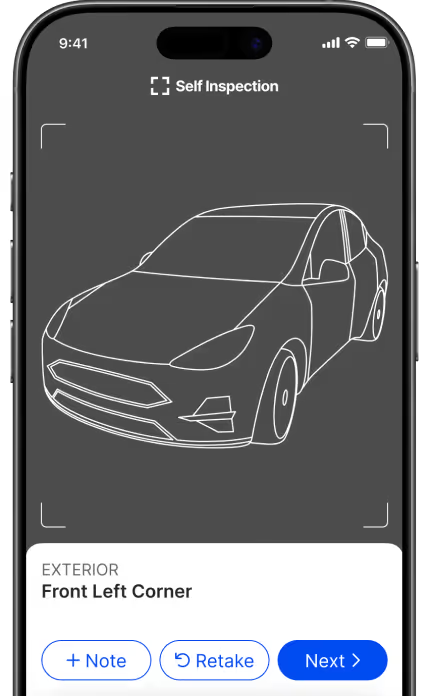
Capture
Send a link by text or email. Anyone completes a guided photo and video walkaround from any smartphone — no app download, no training.
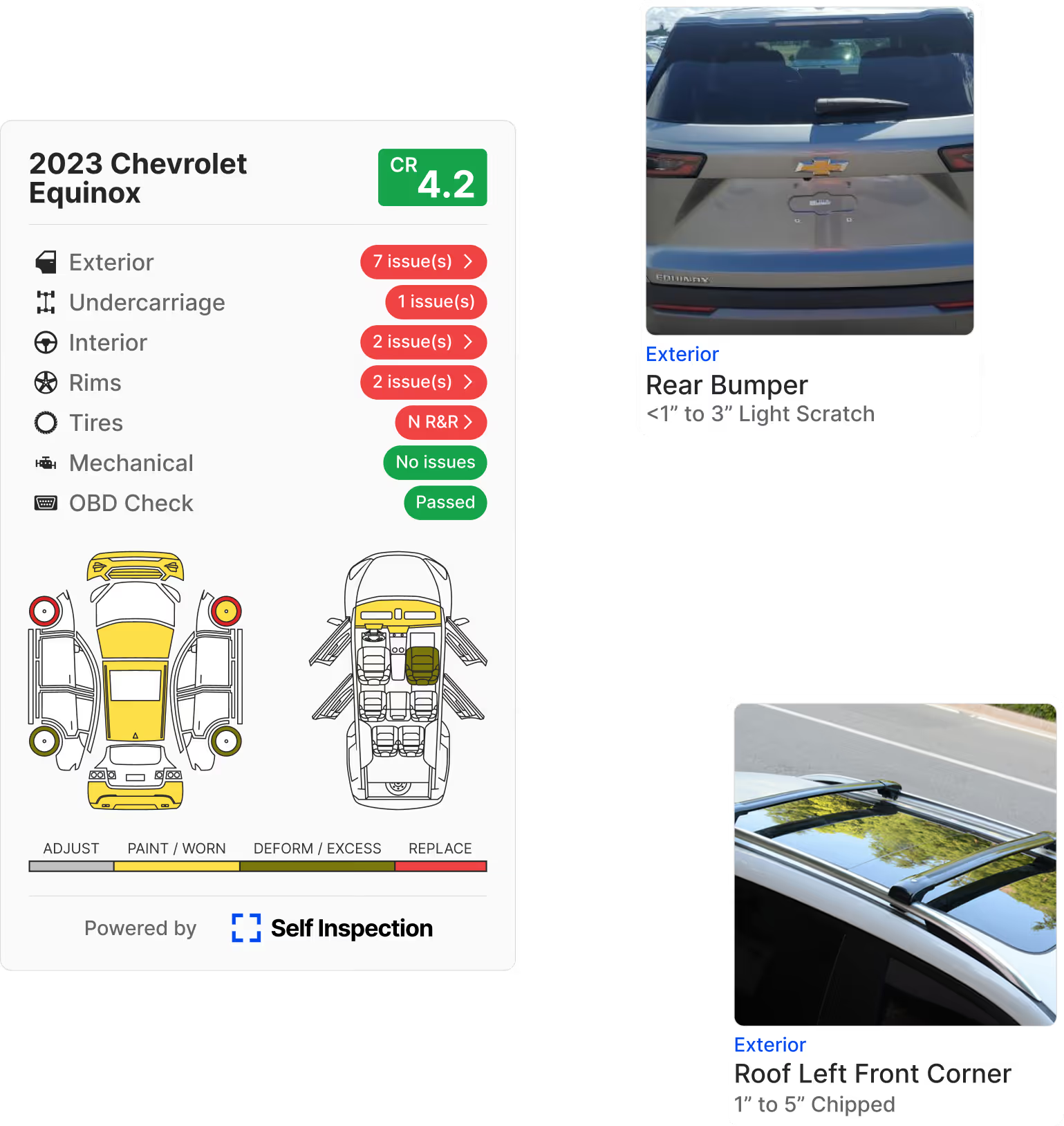
Verify
AI detects and classifies damage across 6,000+ part, type and severity combinations, then expert reviewers validate the results.
%20(3)-p-500.avif)
Report
A standardized condition report with CR score, mapped damages and line-item cost estimates lands in your dashboard — ready for decisions.
Trusted by lenders, dealerships, rental and fleet operators







“Self Inspection helped us standardize vehicle inspections without adding friction for our teams or customers. We resolve issues faster, reduce disputes and keep more vehicles in service.”
Switching from UVeye in 3 steps
No rip-and-replace. Most teams run both for a few weeks and let the reports decide.
Side-by-side pilot on 25 vehicles
Pick 25 vehicles that never pass through your lane — off-site returns, a satellite lot, a partner location — and inspect them from a link. Compare the CRs with what your lane produces on comparable units.
Rebuild your flows — no engineering
Your lane's checkpoints — exterior, tires, interior, documents — become a guided smartphone flow in the Flow Constructor, by use case, year, make and model. Configured, not installed.
Parallel-run, then cut over
Keep the lane where it earns its keep. Roll Self Inspection out to every location that never justified hardware, then decide whether the next site needs a lane at all.