
One wear standard across every rooftop
How to cut lease-end condition disputes and get your returned vehicles to market faster
A lease return should be simple. The car comes back, someone checks its condition, and it moves on to remarketing.
In practice, the condition check is where things often slow down. Two similar cars returned at two different dealers can get two very different reports. Usually, the difference comes down to who did the inspection and how.
For you as a lessor, that inconsistency leads to disputes, and disputes keep cars off the market longer.
Time management in remarketing matters
In lease-end management, time-to-market is a key factor. It directly affects the value of your vehicles.
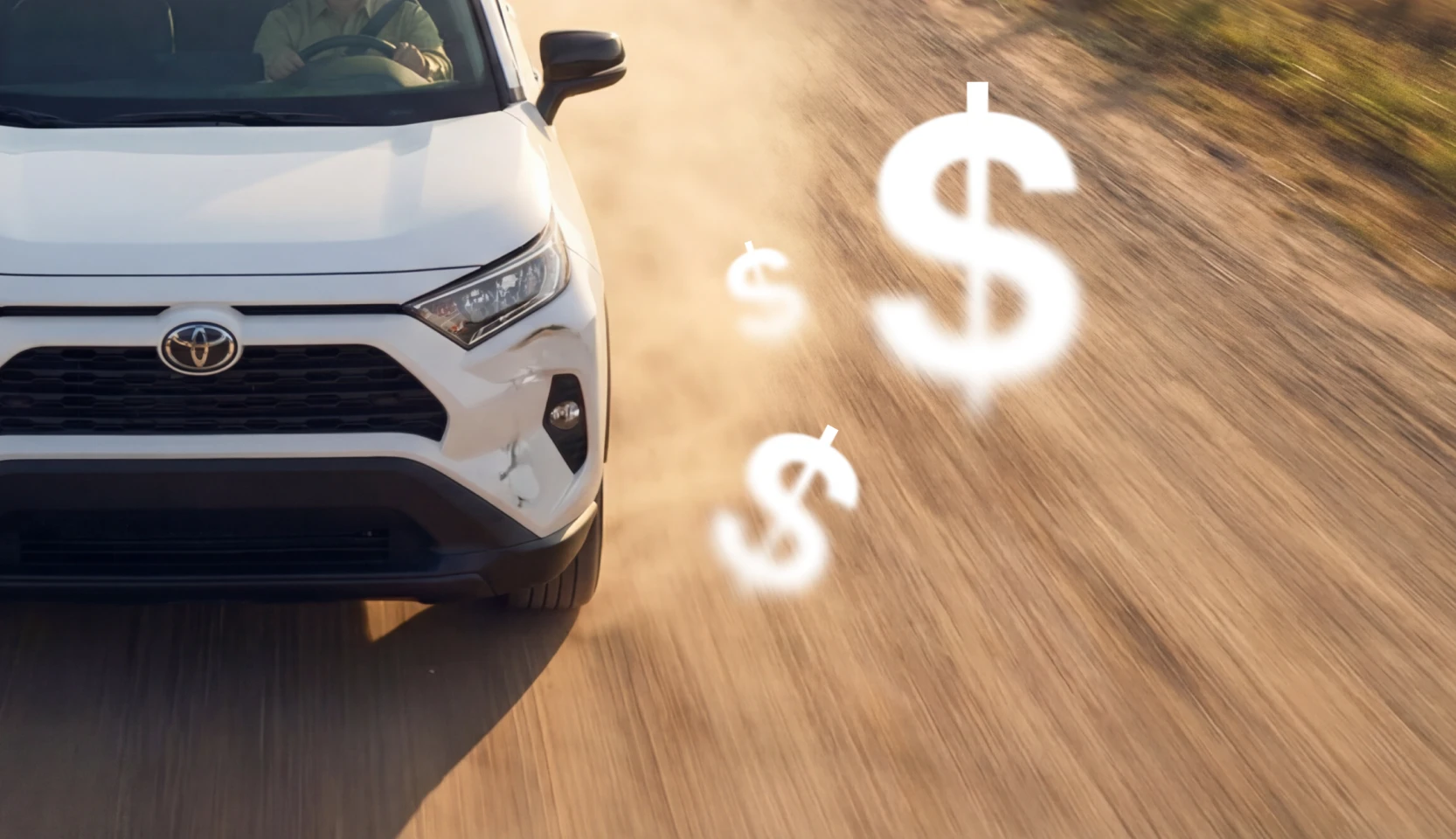
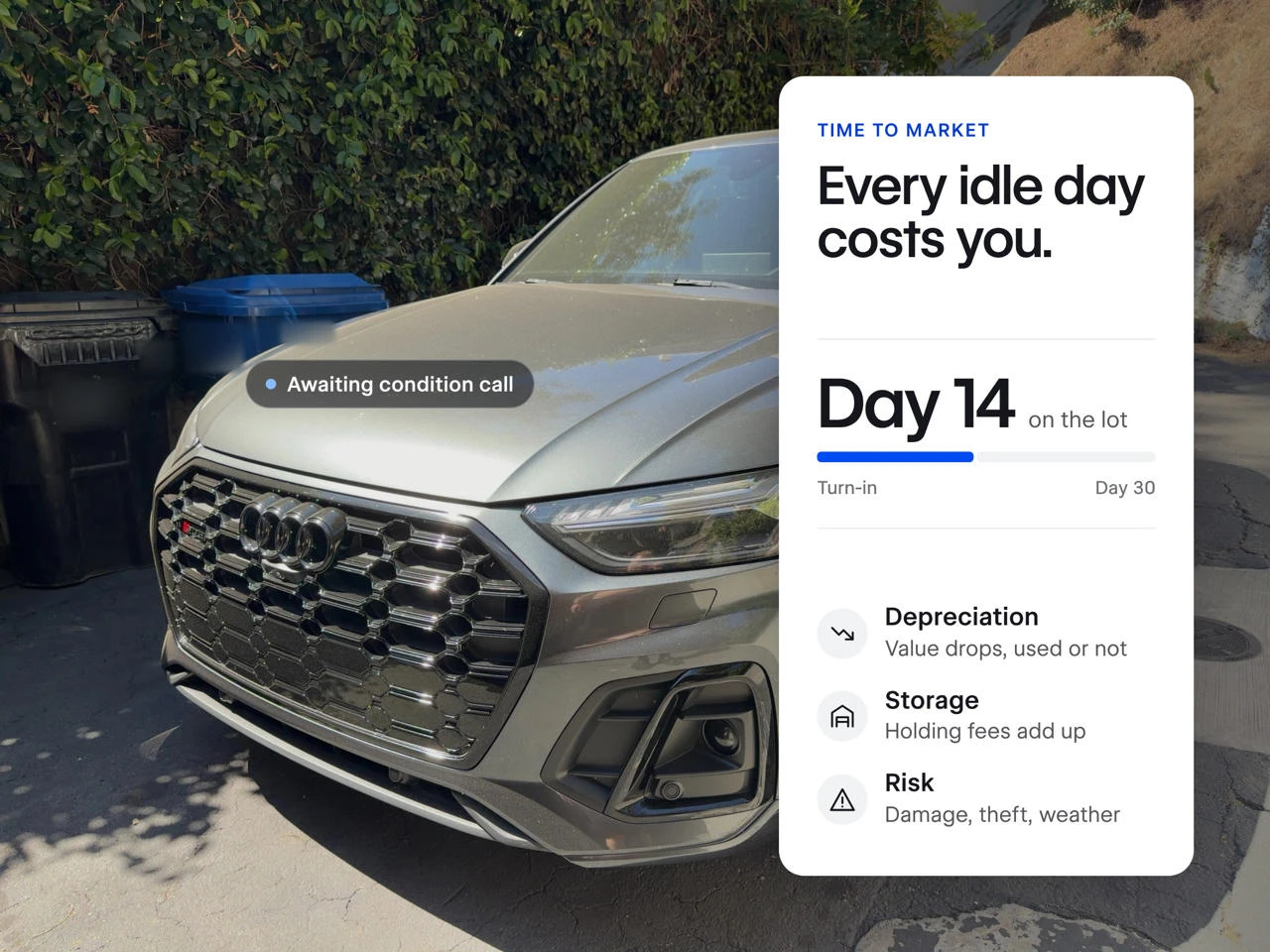
When the lease ends, the vehicle comes back to you. An idle vehicle is a depreciating asset for your business. Every day a returned car sits on the lot, there are three costs that add up every day:
- Depreciation: The vehicle keeps losing market value, whether it's used or not.
- Storage: Holding fees add up at marshaling yards, auction lots, or dealerships.
- Risk: The car stays on your books, exposed to lot damage, theft and weather, until it sells.
The three parties usually involved in a dispute
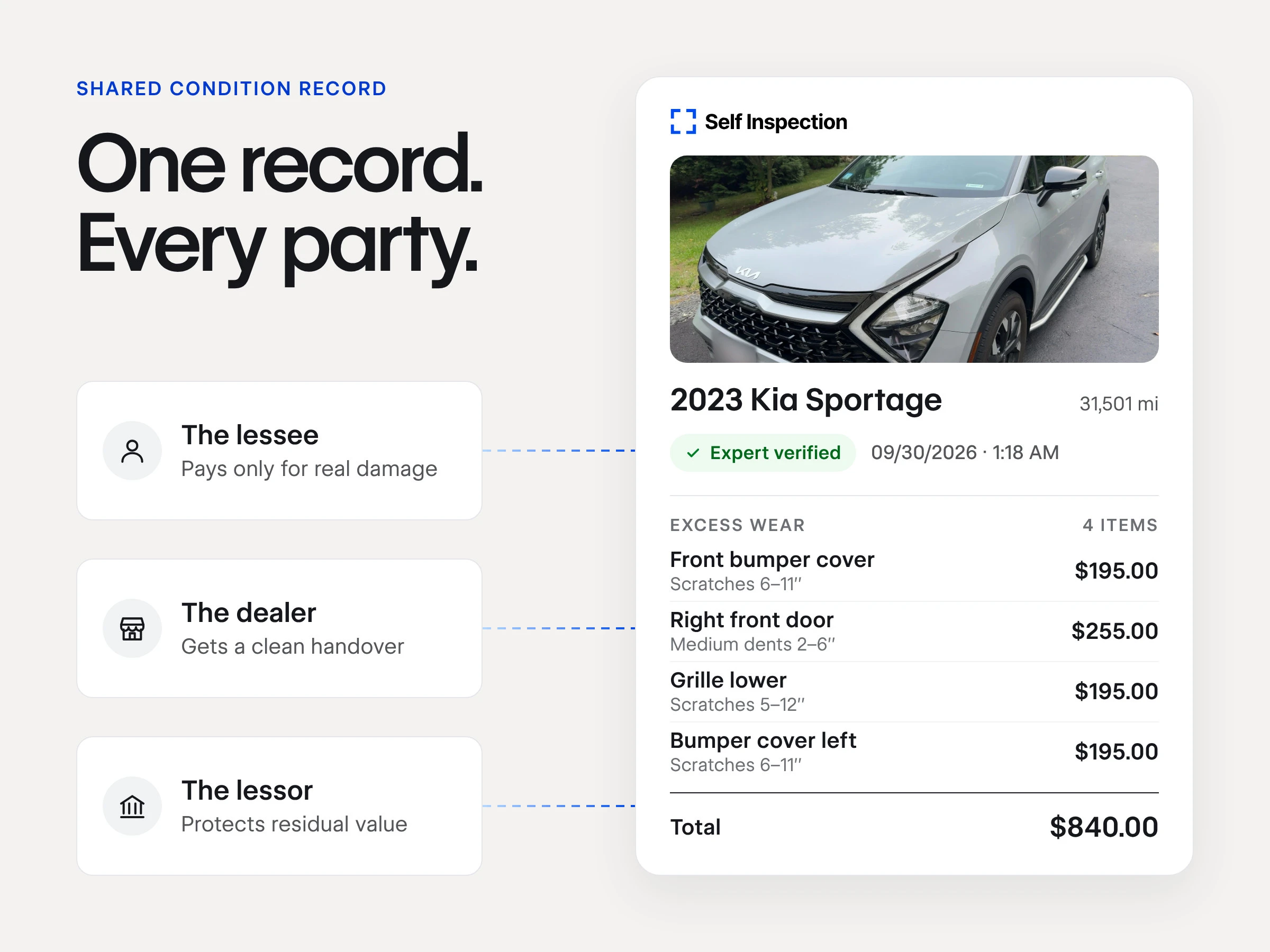
When the vehicle is returned, its physical condition affects its final financial value. Three parties often dispute this "condition call" because their financial interests are opposed.
| Party | Core motivation | Why they dispute the condition call |
|---|---|---|
| The lessee (consumer or driver) | Avoid penalties | They want to minimize or avoid charges for "excess wear and use" and any out-of-pocket end-of-lease fees. |
| The dealer (grounding dealer) | Fair price or a clean handover | If they're interested in buying the car, its condition shapes the price they'll pay. If they pass on it, they want it clear that any damage didn't happen while the car was with them. |
| The lessor (you) | Protect residual value | You want an independent record, so the buyer isn't also the one grading the car. That helps you recover full value at auction and charge the lessee only for real damage. |
The bottleneck: subjective, non-standardized inspections
Disputes over scratches, dents, mechanical issues, or tire wear lead to independent inspections, arbitration, or negotiation. Each delay extends the timeline and adds to the depreciation and storage costs you're trying to avoid.
Here are a few common situations you may run into:
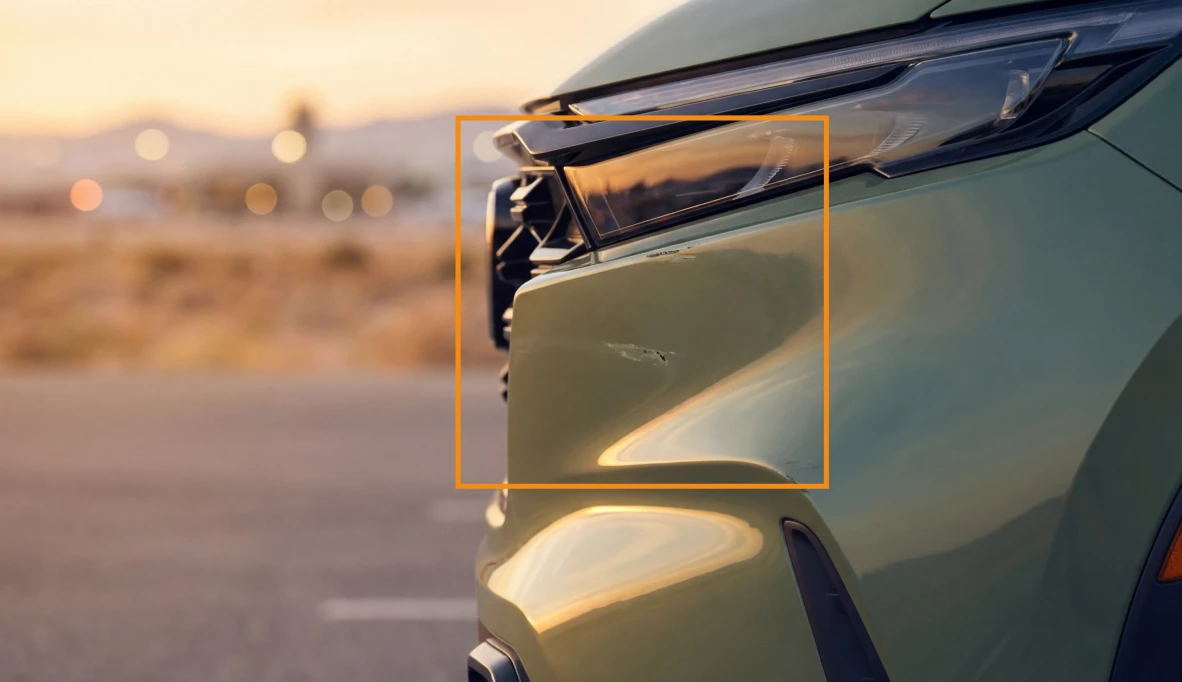
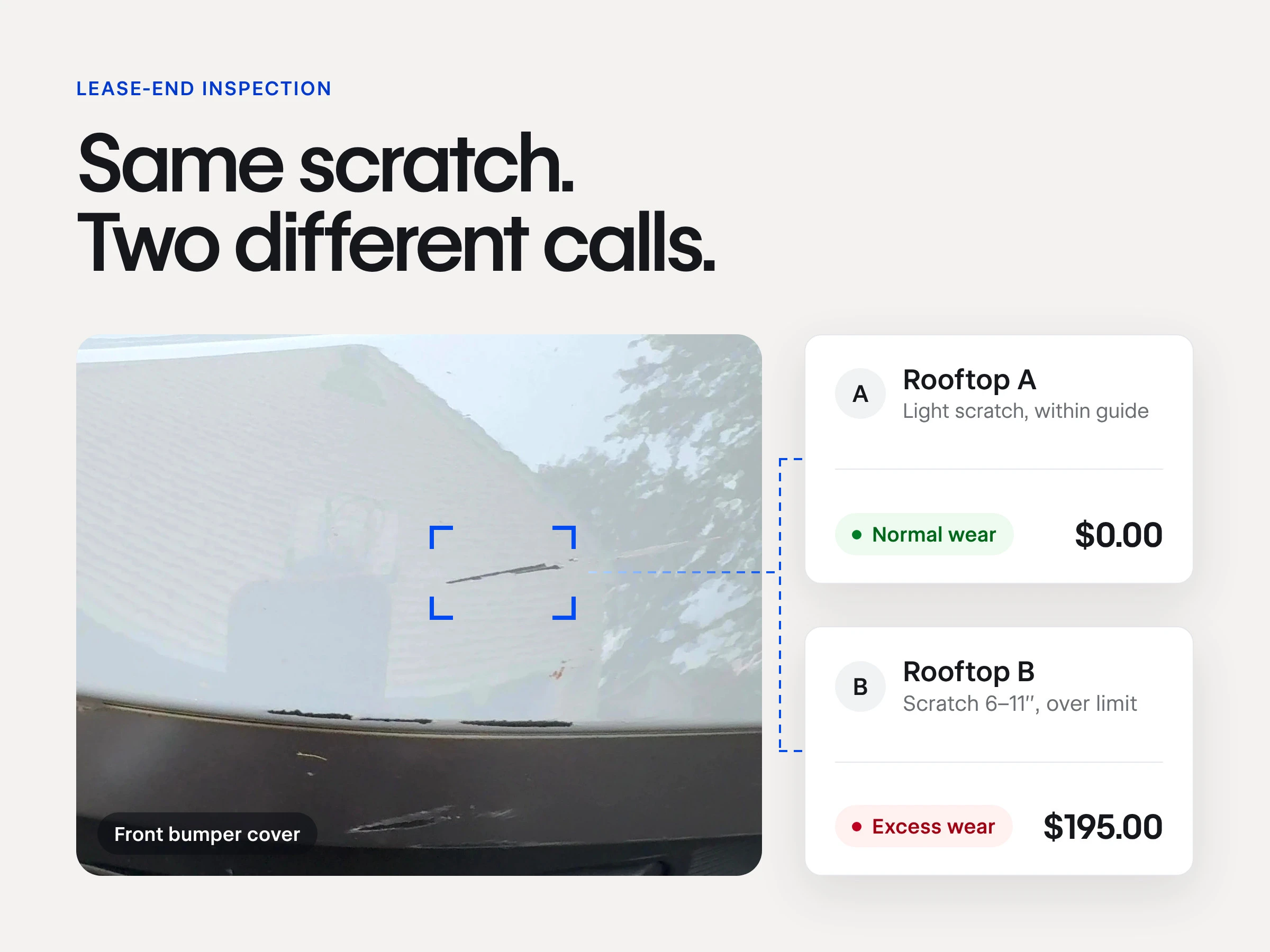
- Subjective damage grading: Your wear and use guide sets limits for scratch length, dent size, and minimum tire tread. Still, individual inspectors can apply it differently, or flag pre-existing or repaired damage as new.
- Late inspections: If the car is turned in without a documented inspection, it may be inspected weeks later in a storage lot. That opens the door to transit damage and disputed condition reports.
How to reduce lease-end losses
To prevent these losses, the automotive industry is moving toward automated, consistent inspections:
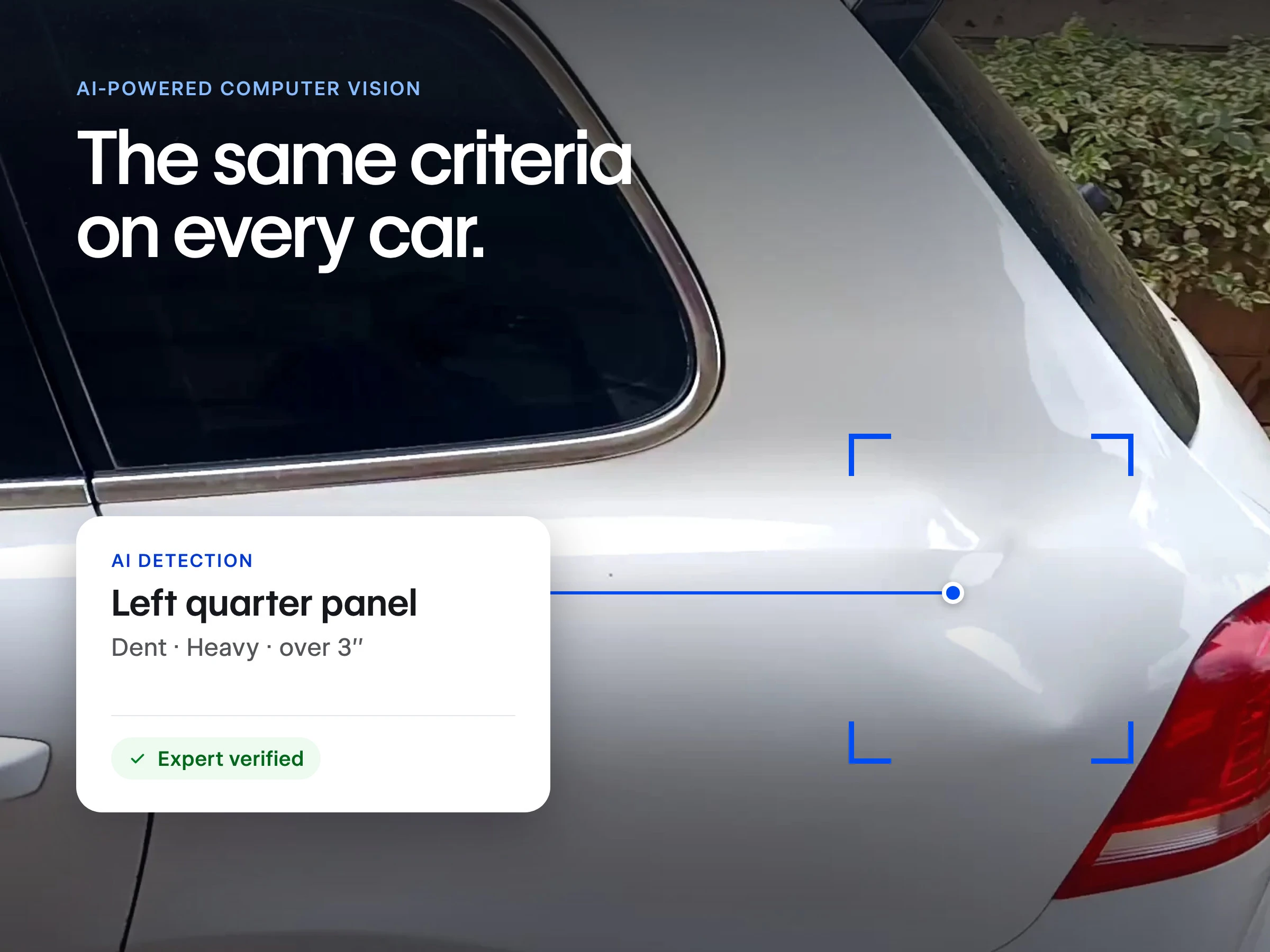
- AI-powered computer vision: Drive-through scanners or smartphone apps use AI to detect dents, scratches, and tire wear and apply the same criteria to every vehicle.
- Standardized digital condition reports: The lessor's own wear and use guide, applied the same way at every return location, combined with OBD-II diagnostic scans, take the guesswork out of engine and electronics checks.
- Shared, timestamped condition records: Inspection data that can't be changed after the fact keeps every party working from the same facts, from return to resale.
The role of Self Inspection for lessors
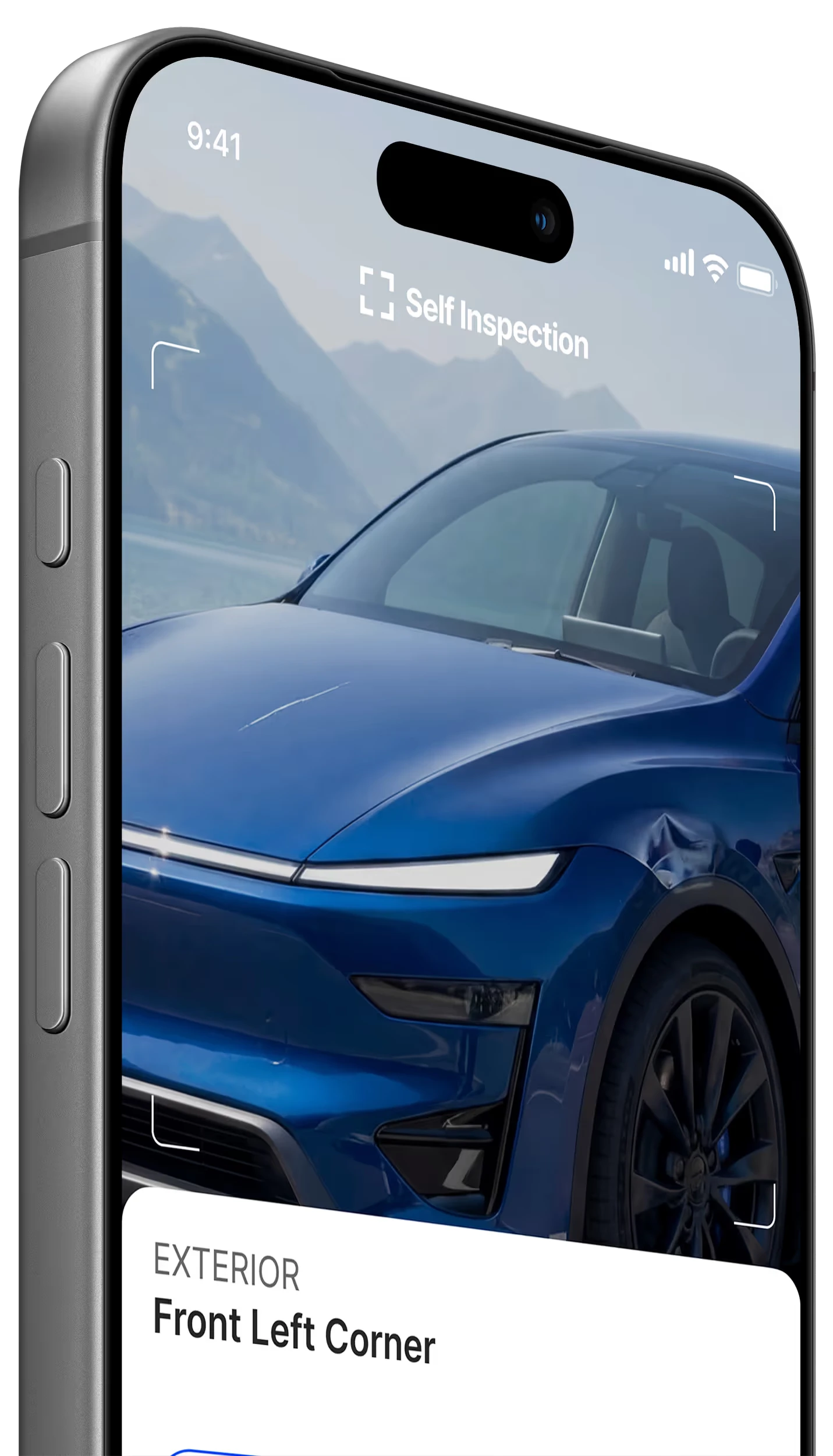
Self Inspection is a Vehicle Condition Intelligence Platform that captures, verifies, analyzes, and shares trusted vehicle condition data using AI. More than 43,000 lease-end inspections have been completed on the platform, and Self Inspection is now an associate member of the NAAA.
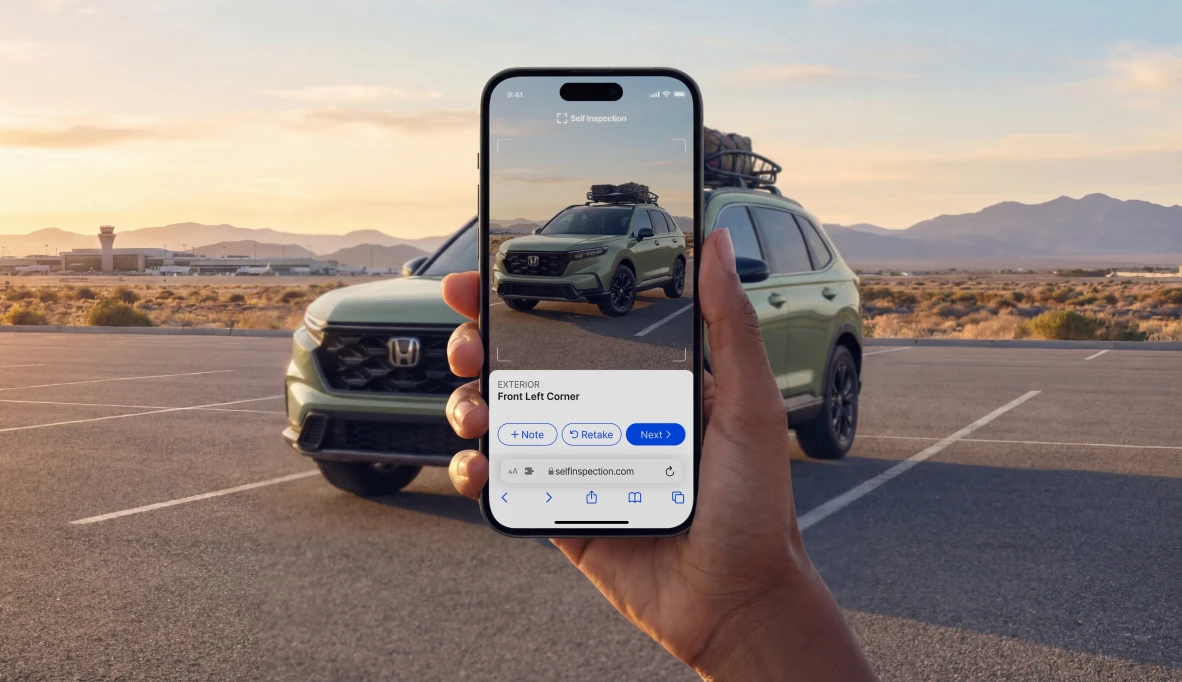
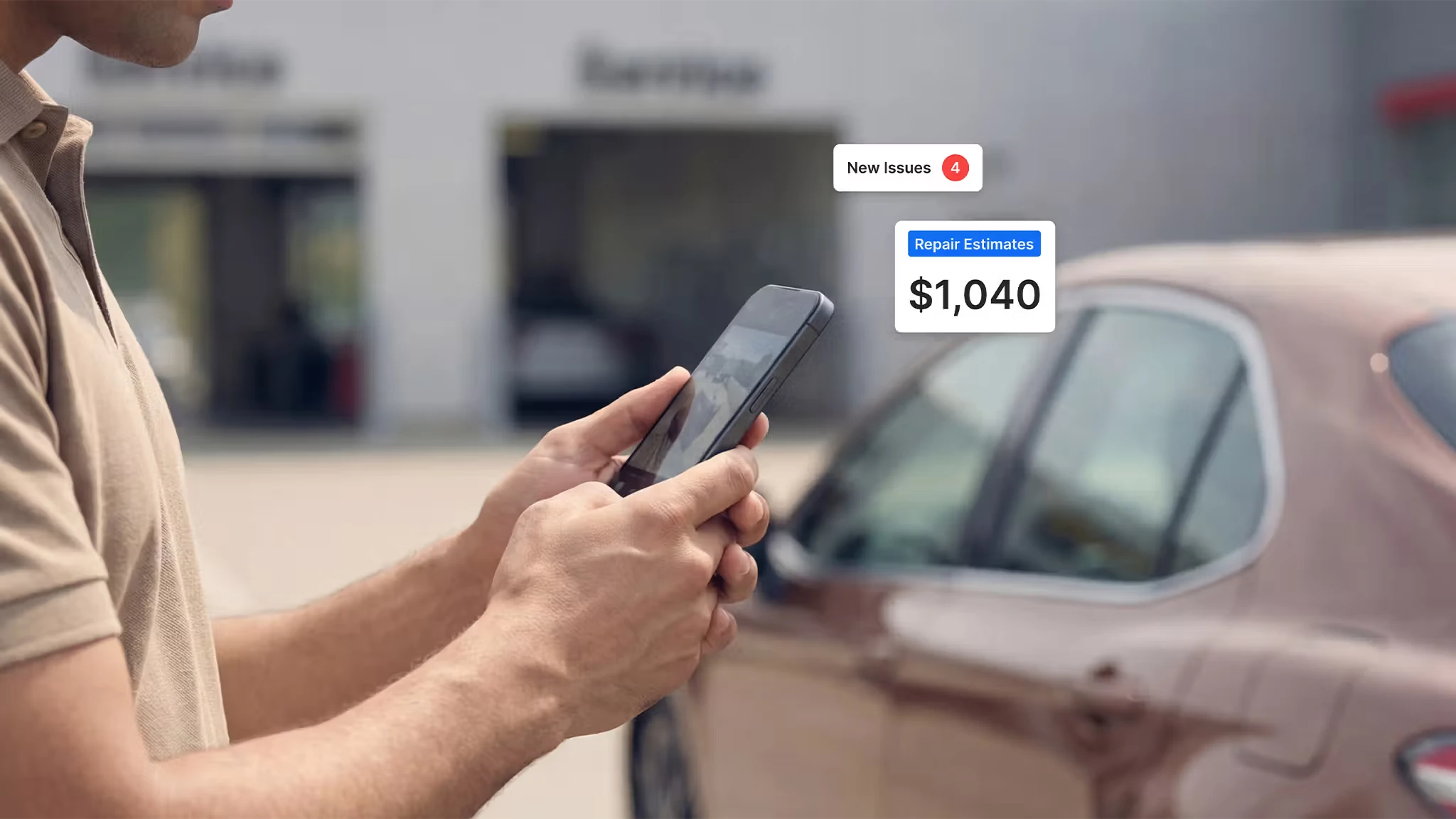
How it works. A guided smartphone walkaround can be completed by the lessee before return, by dealer staff at turn-in, or by an inspector at the lot. AI identifies, classifies, and estimates damage. An expert then reviews the findings, so every report is expert-verified, not based on AI alone.
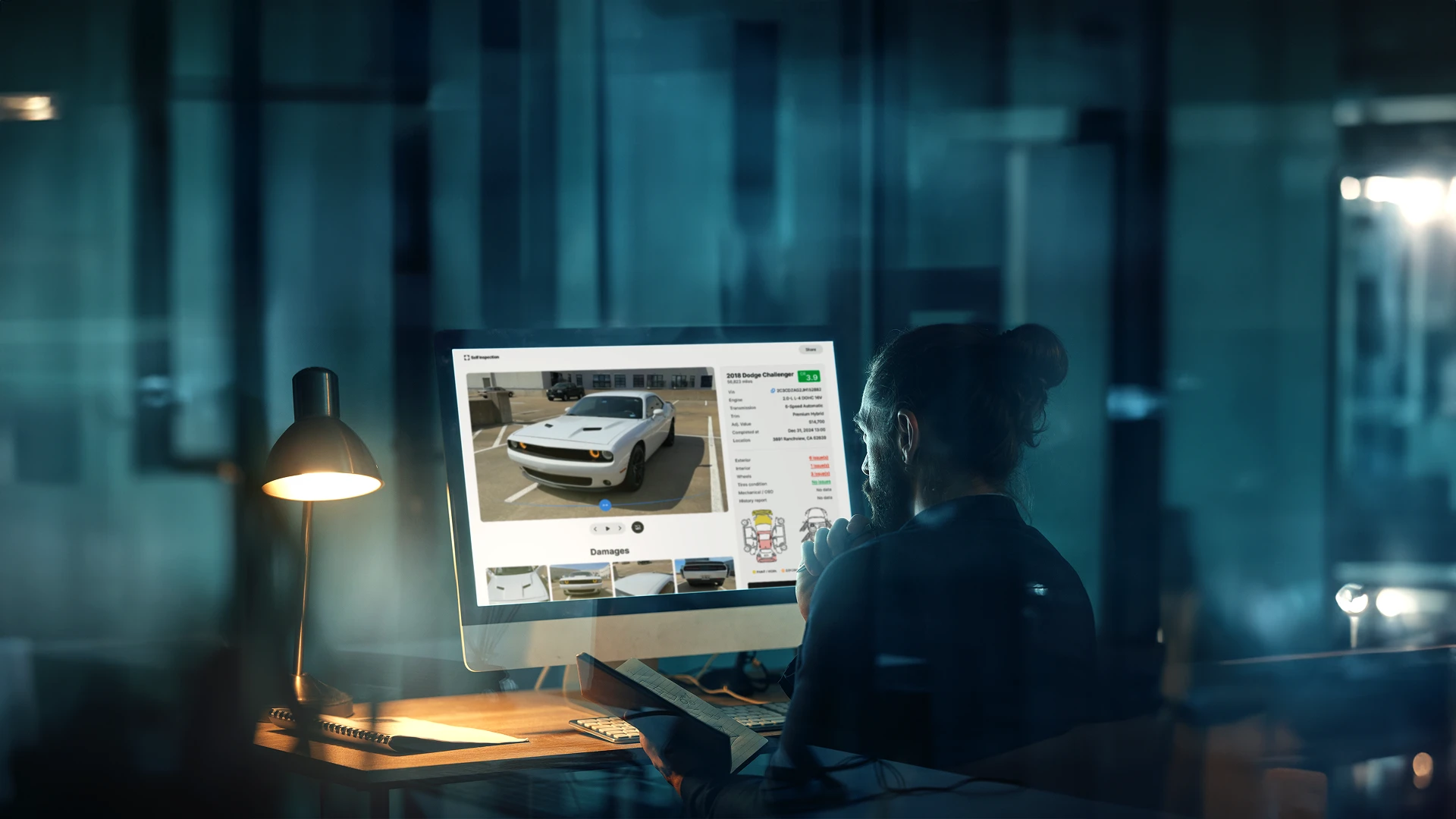
What it provides. A consistent condition report that follows the car from lease end through remarketing. Every party sees the same record, and it connects to your existing systems through our APIs.
See how lessors use Self Inspection →
FAQ
Damage beyond normal use, as defined in the lease agreement and your wear and use guide. Typical examples are dents or scratches larger than the guide allows, cracked glass, tires below minimum tread, and interior tears or stains. The exact limits vary by lessor.
It depends on the lessor. Common options are a third-party inspection company, the grounding dealer, or the lessee through a pre-return inspection. Many of these inspections can now be done with a guided smartphone app.
At turn-in, before the car changes hands. An inspection done weeks later makes it hard to separate damage the lessee caused from damage that happened in transit or on the lot. An earlier pre-return inspection also helps, because it gives the lessee time to repair damage or plan for charges.
Usually for three reasons: different inspectors apply the same guide differently, inspections happen too late, and the parties involved have different financial interests in the result.
AI is good at applying the same criteria to every car and capturing damage quickly. Expert review adds judgment for edge cases, such as repaired or pre-existing damage. Using both gives you speed and a report that holds up in a dispute.
Timestamped photos, the same capture process every time, grading against your written guide, an inspection that's independent of the buyer, and one shared record every party can see.
Ready to get started?
Streamline lease returns, reduce disputes and accelerate remarketing readiness - all from one simple platform.