The PAVE alternative · Vehicle inspection software

Self Inspection vs PAVE

AI vehicle inspections from any smartphone — no app, no hardware, expert-validated, live in days. The full platform, not just a capture API.

The System of Record for Vehicle Condition.
Book a demo
See the comparison
1M+ inspections completed across dealers, fleets, rentals and lenders.
Trusted by
Condition report
2024 Volkswagen Tiguan
VIN ···4471 · 18,420 mi · Aug 12, 2026
CR
4.2
Exterior
2 issue(s)
Interior
No issues
Tires
1 issue(s)
Mechanical
No issues
OBD check
Passed
Damage & estimates
Front left fender
Dent · Deform / Excess
$630
Front hood
Scratch · Paint / Worn
$350
Estimated repairs
$980
Adjust
Paint / Worn
Deform / Excess
Replace
AI-detected · Expert validated on every report
The short answer

What's the difference between Self Inspection and PAVE?

PAVE is an API-first capture platform that grades vehicles from smartphone photos. Self Inspection is an end-to-end condition platform: guided smartphone capture, AI detection across 6,000+ damage combinations, expert validation on every report, line-item cost estimates, a standardized CR score and a management dashboard with customizable flows — for dealerships, rentals, fleets, lenders, marketplaces, transporters and tire programs.

Self Inspection inspections dashboard on a tablet, listing vehicle inspection records with condition ratings, OBD status, cost estimates and full inspection details
The Self Inspection dashboard — every inspection, CR score and estimate in one place.
Side by side

Self Inspection vs PAVE: capability comparison

Based on publicly available information as of August 2026. "Not publicly listed" means the vendor does not document the capability publicly. marks a capability Self Inspection documents and the vendor does not.

Capability comparison of Self Inspection and PAVE, based on publicly available information as of August 2026
CapabilitySelf InspectionPAVE
Inspection methodGuided smartphone flow via text/email link — no app downloadSmartphone photo capture via progressive web app — no download
Who performs the inspectionAnyone — customer, driver, or staffStaff or customer via link
Hardware requiredNoneNone
AI damage detection6,000+ part, damage & severity combinations · 20M+ training images350+ damage types across 249 components, 23,000+ makes/models
Expert human validationYes — AI + expert review on every reportNot publicly listed
Repair cost estimationYes — line-item estimates inside the CRYes — line-item damage estimates
Condition report & scoringStandardized condition report with CR scorePAVE Vehicle Grade
Custom inspection flowsFlow Constructor — custom flows by use case, year, make, modelEnterprise dashboard; self-serve flow builder not publicly detailed
Remote / off-site inspectionsYes — built for remote and distributed operationsYes
DeploymentLink-based — no install, no app, no hardwareWeb app / API integration
Time to go liveDays — operations teams launch without engineeringFast for the web app; API integration timeline depends on your build
Client proofWestlake Financial, Stellantis, Avis, CULA, Bluebird, Admiral Leasing, Auto 360, AutoAcquireAISee vendor site
Sources: vendor websites and public documentation, reviewed August 2026. Self Inspection figures reflect platform data as of the same date.
Honest fit check

Which one fits your operation?

Two different tools for two different jobs. Here's how we'd call it — including when the other one is the right answer.

Self Inspection
Better fit if…
You want expert human validation on every AI result, not AI output alone
You need custom inspection flows per use case, vehicle year, make or model — without engineering work
You run rental, lease-end, fleet or transport workflows beyond dealer appraisal
You want capture, detection, validation, estimates and management in one contract
PAVE
May fit if…
You're building your own inspection product and want a capture/detection API inside it
Your use case is primarily dealer photo capture and vehicle grading
You have engineering resources to own the workflow layer yourself
How it works

Three steps. One verified condition report.
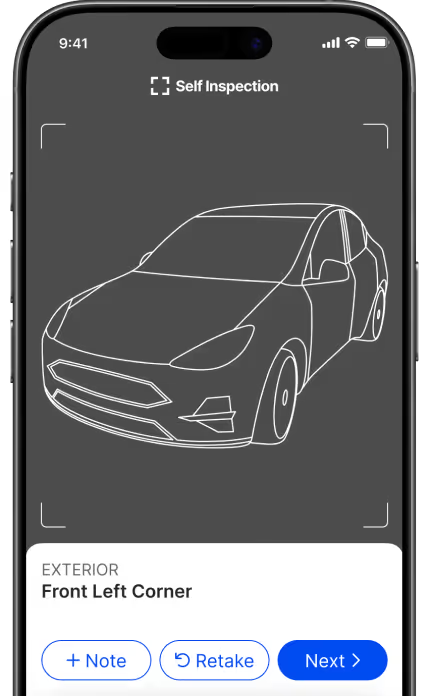
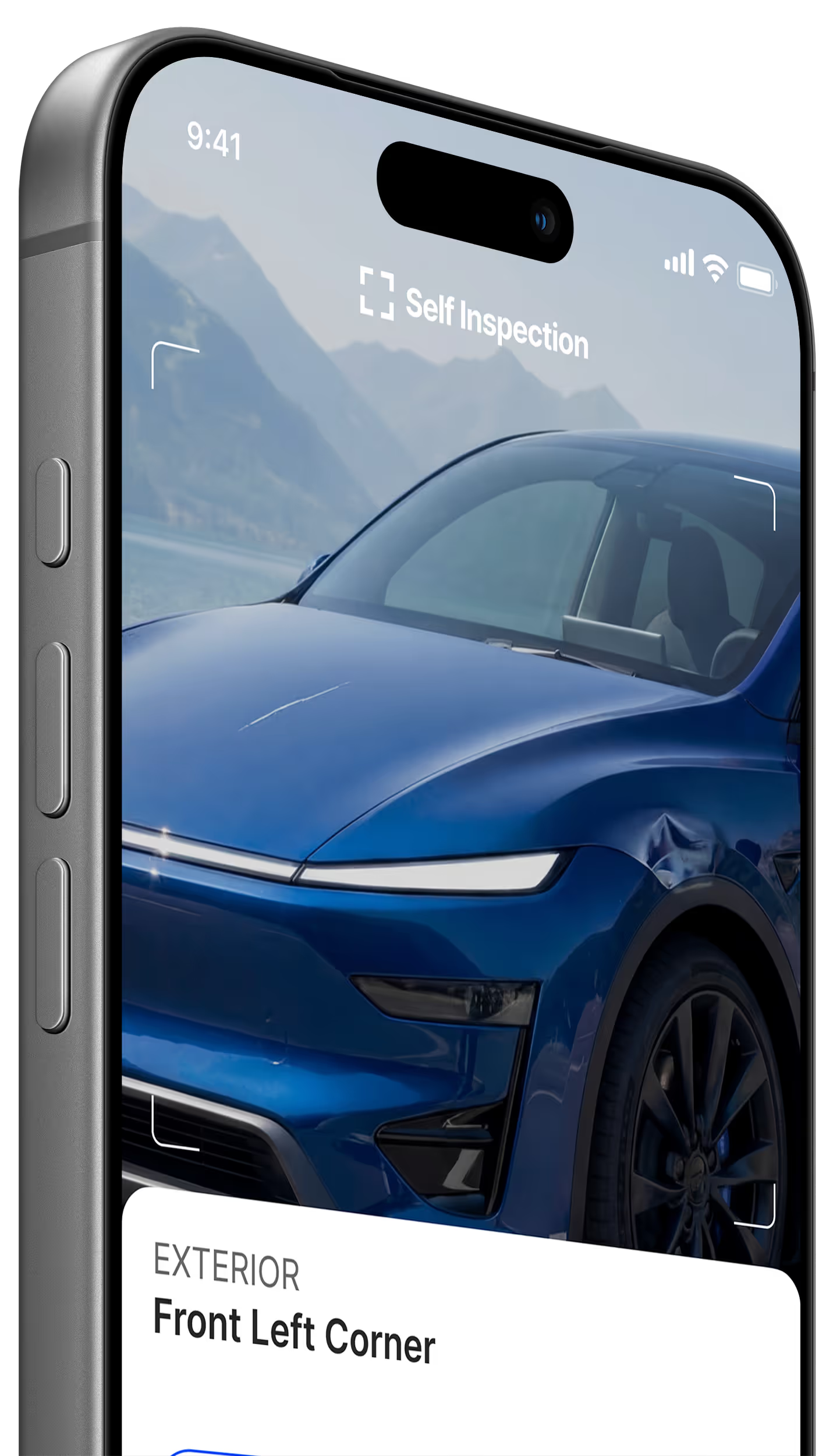
Self Inspection app screen on a phone showing the guided capture flow with a vehicle outline overlay prompting a photo of the exterior front left corner
01

Capture

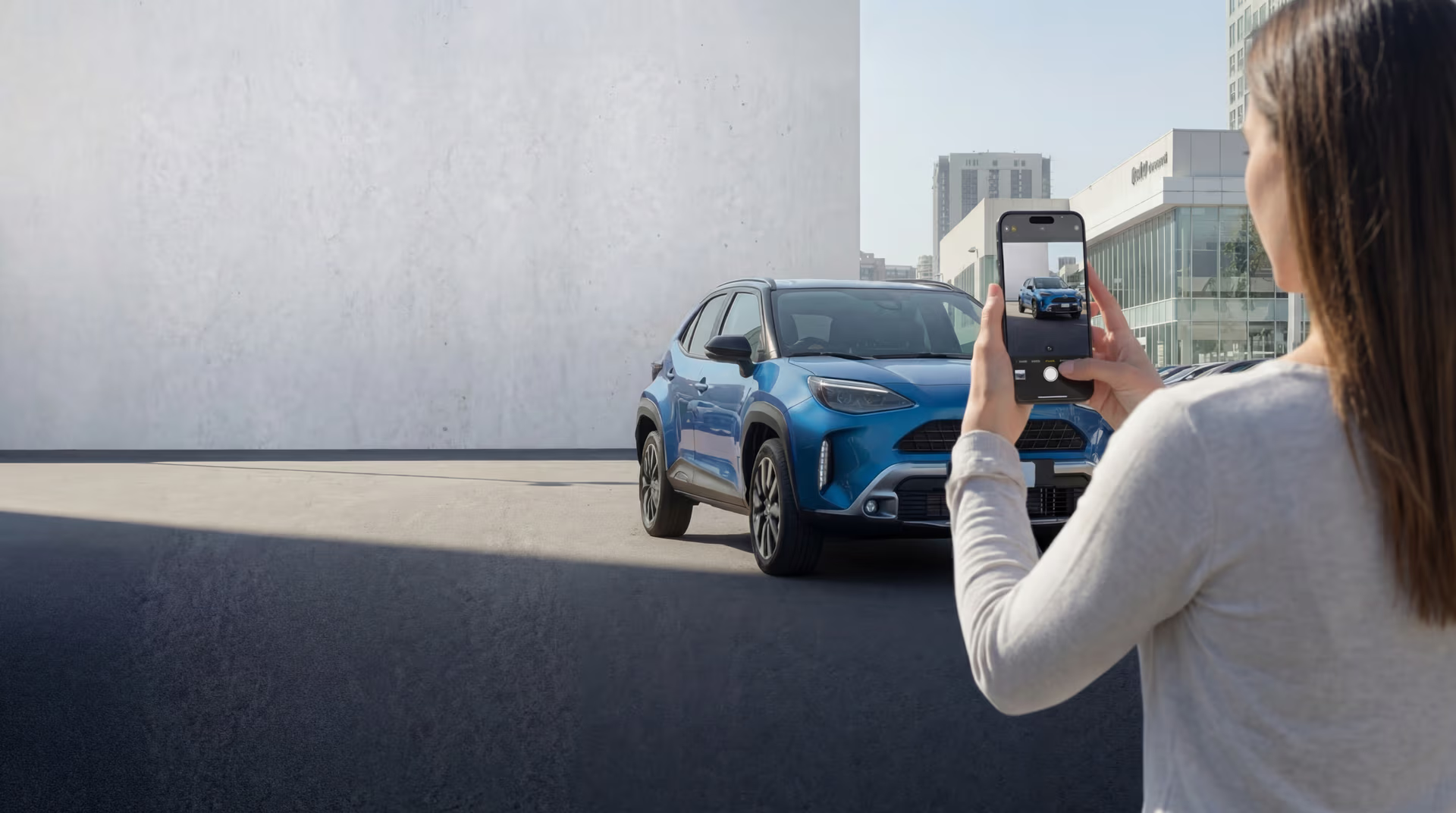
Send a link by text or email. Anyone completes a guided photo and video walkaround from any smartphone — no app download, no training.
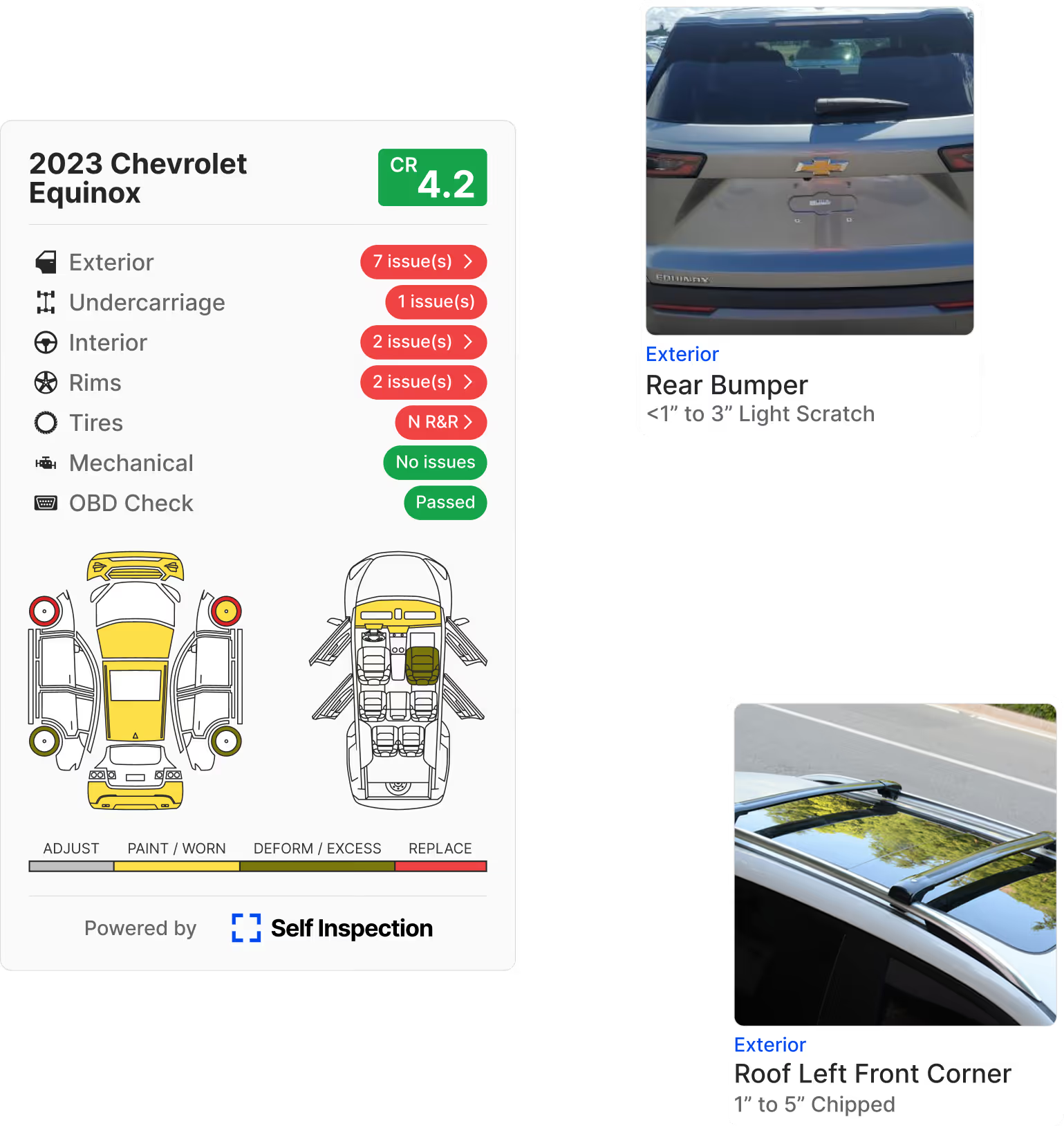
Self Inspection condition report card for a 2023 Chevrolet Equinox with a CR score of 4.2, per-area issue counts, damage-mapped vehicle diagrams and validated damage photos
02

Verify

AI detects and classifies damage across 6,000+ part, type and severity combinations, then expert reviewers validate the results.

Self Inspection vehicle report for a 2024 Volkswagen Tiguan showing the vehicle photo, specifications, a damage-location diagram and a before/after comparison view
03

Report

A standardized condition report with CR score, mapped damages and line-item cost estimates lands in your dashboard — ready for decisions.

Trusted by lenders, dealerships, rental and fleet operators

Self Inspection helped us standardize vehicle inspections without adding friction for our teams or customers. We resolve issues faster, reduce disputes and keep more vehicles in service.

CULA · Credit Union Leasing of America
1M+
Inspections performed
$80M+
Costs saved
300K+
Hours saved
Switching plan

Switching from PAVE in 3 steps

No rip-and-replace. Most teams run both for a few weeks and let the reports decide.

1
Week 1

Side-by-side pilot on 25 vehicles

Keep PAVE running. Send the same 25 vehicles through a Self Inspection link and compare the two outputs side by side — detected damage, cost estimates, turnaround, and what your team actually does with each report.

2
Week 1–2

Rebuild your flows — no engineering

Your appraisal, trade-in and transport steps are recreated in the Flow Constructor by use case, year, make and model — configured, not coded, so nobody waits on an API sprint.

3
Weeks 2–4

Parallel-run, then cut over

Run both for a few weeks while your team switches link by link. When the CRs agree and the workflow is smoother, cut over. API and bulk workflows are there when you want deeper integration.
Book a demo and bring 25 VINs
Keep PAVE live the whole time — nothing to switch off on day one.

Switching from PAVE: what to know

Is Self Inspection a PAVE alternative?

Yes. Both platforms run smartphone-based vehicle inspections without an app download. The difference is scope: PAVE centers on capture and AI grading via API, while Self Inspection delivers the full workflow — capture, AI detection, expert validation, cost estimates, CR scoring and inspection management — as a finished platform.

Do I need developers to switch from PAVE?

No. Self Inspection deploys via text or email links and a ready-made dashboard, so operations teams go live in days. An API and bulk workflows are available when you do want deeper integration.

Does Self Inspection validate AI results with humans?

Yes. Every condition report combines AI detection with expert human review, so the CR your team acts on is validated rather than raw model output.

Which industries does Self Inspection cover?

Dealerships, rental operators, fleets, lenders, marketplaces, transporters and tire programs — each with purpose-built inspection flows through the Flow Constructor.

How much does Self Inspection cost vs PAVE?

PAVE does not publish pricing. Self Inspection pricing is scoped to your inspection volume and vertical during the demo — software only, with no hardware and no build project to budget for. Share your monthly volume when you book and you'll get a quote you can compare directly.

Can I still use an API?

Yes. Self Inspection offers API and bulk workflows for teams that want inspections triggered from their own systems. The difference from PAVE is sequencing: you go live on the platform first — links, dashboard, Flow Constructor — and integrate when it adds value, rather than building the workflow layer before your first inspection.

Ready to get started?

Streamline lease returns, reduce disputes and accelerate remarketing readiness - all from one simple platform.

Book a demo
Front hood
MEDIUM SCRATCH
$350
Front left fender
Severe dent
$630