How automation is transforming vehicle inspections for dealerships, lenders and marketplaces?
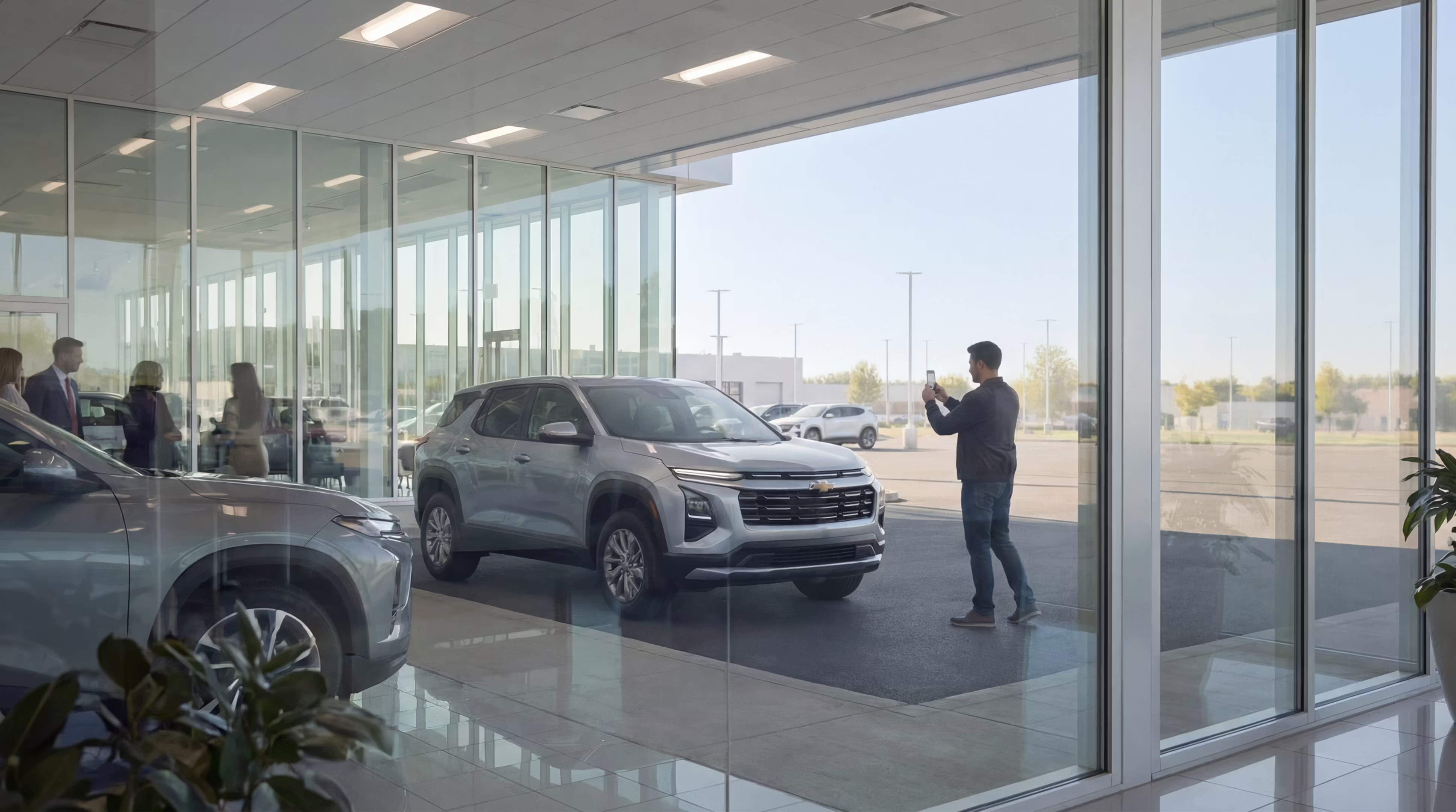
Traditional vehicle inspection processes have long been a bottleneck for the automotive industry. For decades, businesses relied on manual walk-arounds, subjective notes and the availability of physical mechanics, a process that often takes days and remains prone to human error.
This is no longer the case. Automated vehicle inspection systems are rapidly becoming the go-to for automotive professionals, when it comes to accurate, expert-approved vehicle condition reports. In fact, the global AI vehicle inspection system market is projected to grow from $1.2 billion in 2023 to nearly $5.7 billion by 2032, expanding at a CAGR of 18%.
So as an automotive business - what are the things you need to be aware of when it comes to automated car inspections? Let’s find out in this blog.

What are automated vehicle inspections?
Automated vehicle inspection (AVI) leverages Computer Vision and Artificial Intelligence to assess a car's condition through photos or video. Instead of a mechanic with a clipboard, a smartphone-guided workflow allows anyone to capture vehicle data, which is then analyzed by deep-learning algorithms to detect over 6,000 types of damage, from hairline scratches to frame misalignments.
The shift from manual to AI-powered inspections illustrated:
Benefits of automated inspections for dealerships
For dealerships, inventory is capital. The longer a car sits in the "inspection limbo," the more its margin thins. Here’s how automated car inspections help such businesses get quicker turnaround times, and avoid disputes:
- Eliminating Human Error: Even the most seasoned mechanics can miss subtle dings or paint mismatches under poor lighting. Self Inspection’s AI-powered vehicle inspection provides a 360-degree video walkaround that doesn’t get tired or distracted - and captures all the damages automatically.
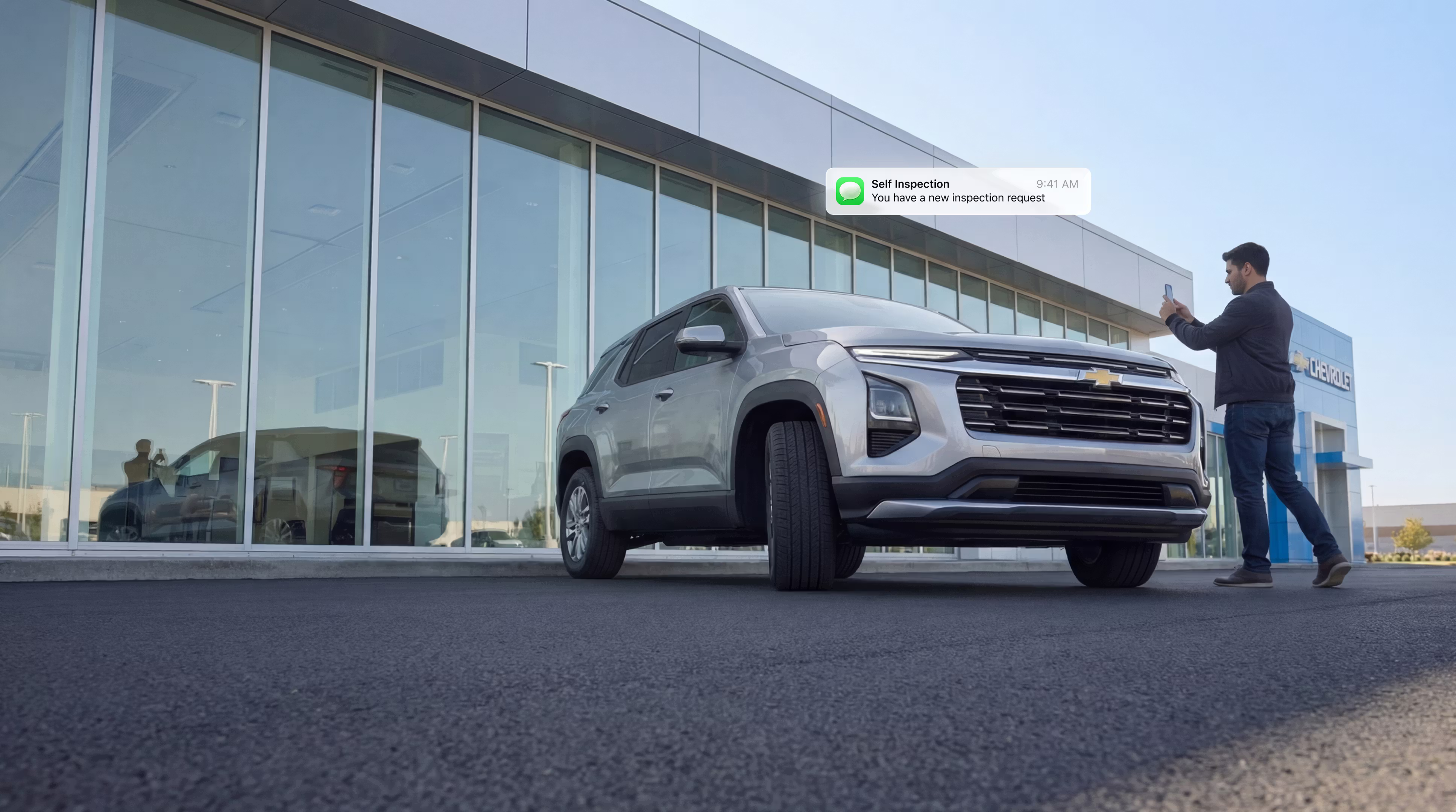
- Streamlining Trade-Ins: By using a self-guided inspection tool, dealers can send a link to a customer’s phone. The customer performs the inspection at home, and the dealer receives a precise Condition Report (CR) score before the car even hits the lot.
- Building Instant Trust: Transparency sells cars. Providing a buyer with an AI expert-certified report fosters the "AI-enabled trust" necessary to close digital-first sales.

How lenders gain from automation?
Lenders face two primary enemies: fraud and inaccurate valuations. Automation provides the "data-backed trust" required to manage risk effectively:
- Fraud Prevention: AI detects inconsistencies in photos and metadata, ensuring the vehicle being financed actually exists in the condition claimed.
- Instant Asset Valuation: With automated damage estimation, lenders get a real-time view of a vehicle's value. This allows for faster loan approvals by removing the manual wait for a physical appraisal from the workflow.
- Risk Management: Standardized, digital records enable lenders to maintain accurate portfolios at scale, a feature already used by industry giants like Westlake Financial.
How marketplaces gain transparency with AI vehicle inspections?
Online automotive marketplaces thrive on speed and volume. Automation is the engine that allows them to scale without sacrificing quality. When you have 1,000 cars - you need tens of mechanics working on them all the time. Introducing the AI into the equation helps you both cut the costs, and help your mechanics focus on what really matters:
- Accelerated Listings: Marketplaces can reduce vehicle assessment times from days to minutes. This means faster "live" listing dates and higher inventory turnover.
- Standardized Reporting: Whether a car is in California or in New York, the inspection quality remains identical. This standardization is critical for regional or national marketplaces that need to accurately compare assets.
- Contactless Experience: In a post-pandemic economy, contactless inspection is no longer a luxury - it’s an expectation. Buyers and sellers can complete the entire process without an in-person appointment.
Future-proofing your automotive business with Self Inspection
As the industry moves toward electric vehicles (EVs) and software-defined cars, the complexity of inspections will only increase. Self Inspection, founded by veterans from Apple, NVIDIA, and Tesla, is built to handle this evolution. By combining AI-powered OBD2 diagnostics with advanced computer vision, we provide the most comprehensive body, interior, and mechanical assessment in the industry.
FAQs about automated vehicle inspections
1. What types of defects can automated systems detect?
Self Inspection’s AI identifies over 6,000 damage combinations, including dents, scratches, tire wear, and even under-the-hood mechanical issues via OBD2 modules.
2. How long does it take to set up the system?
Our platform offers simple onboarding and full customization, allowing businesses to integrate our API or mobile workflow into their existing tech stack almost instantly.
3. Why choose AI over a manual mechanic?
Beyond speed and cost, Self Inspection AI-powered inspection provides a standardized CR score that removes the "bias" often found in manual reports, ensuring fair pricing for all parties.
See Self Inspection in action
Discover how advanced inspection technology can streamline your operations and deliver smarter results.
Book a demo

Ready to get started?
Streamline lease returns, reduce disputes and accelerate remarketing readiness - all from one simple platform.